Self-Locking Chastity: How to Do It Without a Keyholder
Self-locking chastity means wearing a device and controlling your own release without handing the key to anyone else. People manage it with time-lock containers, keyholding apps, or a sealed key, always with a reachable backup for emergencies. It is how many wearers start before finding a keyholder.
Self-locking chastity means holding your own key. You wear the device, you set the terms, and you decide when release happens, with no partner involved. It is the most common way to begin, and for many people it stays satisfying on its own. The obvious catch is that willpower and the key live in the same head, so self-lockers use a few simple tricks to put real distance between wanting out and getting out. Safety, as ever, comes first.
What self-locking actually means, and why people do it
When you self-lock, you are both the wearer and, in effect, your own keyholder. There is no one to answer to and no one to negotiate with. That suits people who are private, curious, single, or simply not ready to bring someone else into it. If the roles are still new to you, what is a keyholder explains the part you are playing on both sides at once.
Self-locking is also the natural first step. Trying it alone lets you learn your comfort, your limits, and what you actually enjoy before you trust anyone else with the key. Much of the beginner groundwork applies directly, so male chastity for beginners makes a useful companion to this guide. There is no rush to involve anyone, and no shame in staying solo for as long as you like. It is also lower-pressure than involving a partner, since there is no vetting, no scheduling, and no one else’s feelings to manage. For many people that freedom is a large part of the appeal.
The methods people use to hold their own key
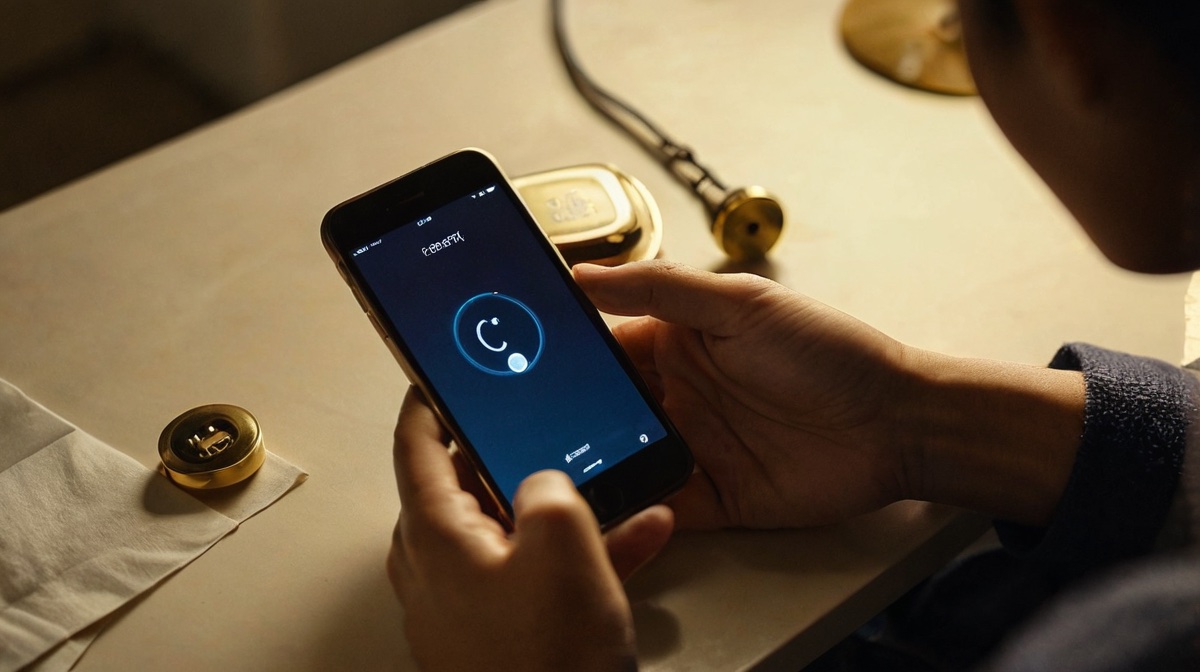
The core problem is that a key in your pocket can be used the moment resolve wobbles. Self-lockers solve this by putting the key out of easy reach. A common approach is a time-lock container, the kind that stays shut until a set timer runs down, so release waits for the clock rather than the mood. Another is a keyholding app that runs a timer or a random release date on your behalf, which is covered in online keyholding and apps. Some people simply seal the key in a dated envelope and log when it is opened, trading a hard lock for plain honesty.
None of these is about making escape impossible. They are about adding a pause, a moment of friction that lets your intention hold. The method matters less than picking one you will genuinely respect, so choose the level of difficulty that fits how you actually behave, not how you wish you behaved.
A gentle warning about escalation. On your own, it is tempting to keep raising the difficulty in search of the early thrill, and that is how people talk themselves into locks they are not ready for. Grow the challenge slowly, and keep it comfortable rather than punishing.
Staying safe when no one else holds the key
Solo does not mean unsupervised risk. Because there is no partner to notice a problem, your safety planning has to be tighter, not looser. Never time-lock the only key. Keep a genuine backup you can reach immediately in an emergency, even if using it means breaking your own rule. A sealed backup, or a spare left with a trusted friend, is far better than a device you cannot remove when something is wrong. The full plan is in chastity emergency unlock, and it applies just as much to a solo wearer as to anyone with a keyholder.
The everyday safety basics do not change either. Watch the fit, keep hygiene strict, and stop for numbness, sharp pain, or a colour change. Comfort at night is best sorted early, and sleeping and comfort in chastity covers the practical side. Tell one trusted person that you do this, even if you share no detail, so that someone in your life could help if you ever needed it. Solo does not have to mean completely alone with the risk.
Moving from self-lock to a keyholder
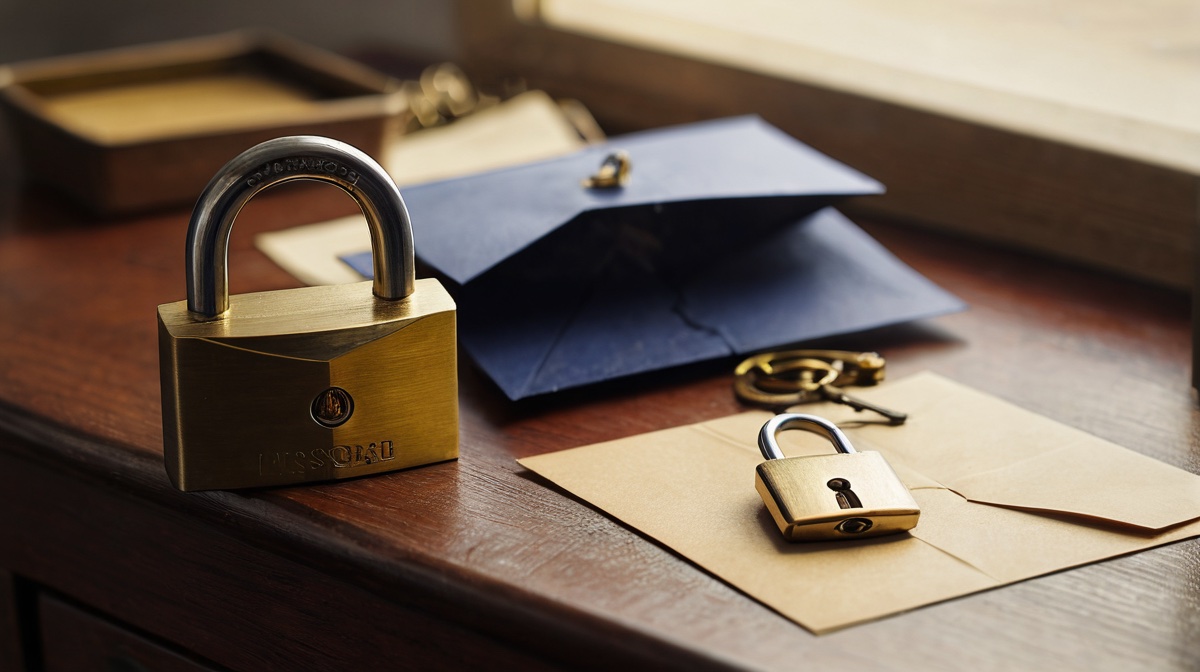
For some people, self-locking is the whole practice, and that is a complete and valid way to enjoy it. For others, the appeal quietly outgrows doing it alone. The control feels more real when someone else genuinely decides, and the gap between wanting release and being allowed it becomes something shared rather than self-imposed.
If you reach that point, move gently. Start by understanding the role through what does a keyholder do, then read how to find a keyholder for where people look and how to vet them. There is no rush, and no obligation to hand over the key at all. When you are ready to actually look, the forum and the wider guides library are good next steps. Whatever you decide, the experience you build alone is never wasted. It is exactly the self-knowledge that makes you a clearer, safer partner if you ever do hand the key over.
Questions people ask
Can you do chastity without a keyholder?
Yes. Self-locking is chastity where you hold your own key, using timers, apps, or a sealed key to add distance between wanting release and taking it. Many wearers do this indefinitely, and others use it as a first step before finding a keyholder.
How do you stop yourself unlocking early?
Add friction rather than relying on willpower alone. Time-lock containers, keyholding apps, and dated sealed envelopes all put the key slightly out of reach. Keep the barrier psychological, never physical, and always keep a backup key you can use in a real emergency.
Is self-locking safe on your own?
It can be, if your safety planning is tight. Never lock away your only key, keep a reachable backup, watch the fit and hygiene, and stop for numbness, sharp pain, or colour change. Solo wearers carry the whole safety job themselves, so plan for it deliberately.
Take it past the reading
Guides give you the shape of it. People give you the rest. Find others who are open about keyholding and looking for the same arrangement.
Find a keyholder →