What does a keyholder do? The role explained
A keyholder holds the key to a chastity device, literally or symbolically, and takes on the responsibility that comes with it: agreeing the terms, keeping in touch, respecting limits, and looking after the person who handed over control.
A keyholder holds the key to a chastity device, either literally or as a symbol, and takes on the responsibility that comes with it. In practice that means agreeing the terms with the other person, keeping in regular contact, respecting the limits you both set, and caring for the person who handed over control. The device is the smallest part. The role is really about trust, communication and follow-through, which is why a good keyholder matters far more than any piece of hardware. If you are weighing up whether to take the role on, how to be a good keyholder goes deeper into the how.
The role in one paragraph
Strip it back and a keyholder is the person who has agreed to hold a boundary that someone else chose to give them. That is the whole shape of it. Everything else, from daily check-ins to elaborate rules, is detail layered on top of that simple exchange of trust. Understanding this helps, because it puts the focus where it belongs: on being reliable and kind, rather than on performing a part. The title carries a certain mystique, but the day to day is quieter and more ordinary than the fantasy suggests.
Practical responsibilities

On the practical side, a keyholder and their partner agree how the arrangement runs and then the keyholder keeps to it. That can include deciding or negotiating timings, holding to what was agreed, and being reachable when it counts. Reliability is the core of the job. Someone who goes quiet for days, forgets what was agreed, or treats the other person as an afterthought is not doing the role, whatever the title says.
Good keyholders also plan for the ordinary and the unexpected. There is always a way for the person to be released quickly if something is wrong, no questions asked, because safety sits above the dynamic at all times. Sorting that out in advance is part of the responsibility, not an admission that the arrangement is fragile.
How structured this gets is entirely up to the two people involved. Some keyholders set detailed routines and check-ins; others keep things loose and simply stay reachable. Neither approach is better on its own. What counts is that both people agreed to it and that the keyholder actually follows through on whatever was promised.
Emotional responsibilities
The bigger part of the role is emotional. A keyholder pays attention to how the other person is doing, checks in properly rather than in passing, and reads the difference between playful frustration and real distress. Encouragement, patience and a steady tone do more for the dynamic than strictness ever will.
Aftercare matters here too. When intensity rises, people need warmth and reassurance to come back down, and a thoughtful keyholder builds that in without being asked. Reading the person is a skill that grows with attention. Over time you learn their tells, the gap between a bad day and a real problem, and when a light word helps more than a firm one. That comes from listening and remembering, not from any rulebook. The through-line is simple: you are looking after a person, not just running an arrangement. The full picture of how this plays out day to day is in how keyholding relationships work.
What a keyholder is not
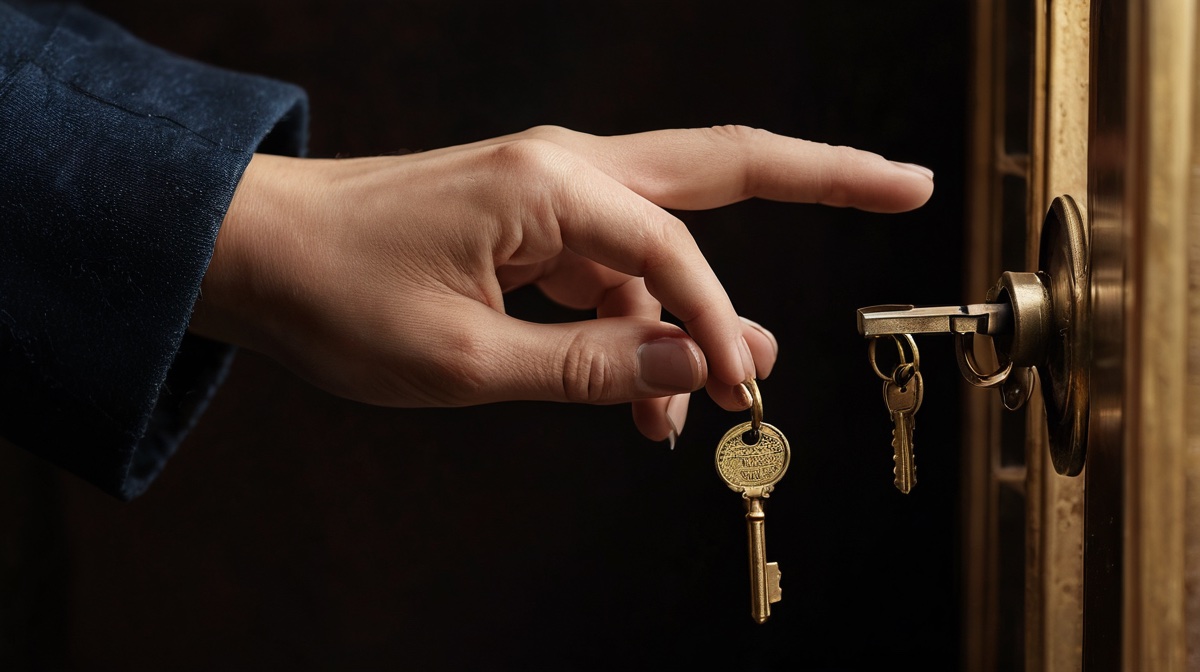
A keyholder is not a stranger who demands control from someone they just met. Real authority in this dynamic is given, slowly, and earned by showing you can be trusted with it. Anyone who insists on the power before the trust has it backwards. A keyholder is not a mind reader either. Guessing is where a lot of harm happens, so a good one asks rather than assumes, and treats every limit as real until told otherwise.
A keyholder is also not a bank. Requests for money, gifts or funding a device are red flags rather than parts of the role, especially early on. If someone frames payment as proof of your commitment, they are running a script. And a keyholder is not beyond limits or safewords; those apply to them exactly as much as to the person wearing the device. If you are meeting keyholders online, keep the find a keyholder routes and your vetting habits close, and read becoming a keyholder for the first time to see the role through the eyes of someone who took it on.
Questions people ask
What are a keyholder's main responsibilities?
A keyholder keeps to the terms they agreed, stays reachable and reliable, respects limits and safewords, and keeps a quick route to release available if something is wrong. Alongside the practical side, they pay attention to how the other person is doing.
Does a keyholder have to be physically present?
No. Many keyholding dynamics run at a distance or entirely online, where the keyholder holds a symbolic key and guides through messages and calls. What the role really needs is trust, communication and follow-through, not proximity.
Should a keyholder ask for money?
No. Requests for money, gifts or funding a device are red flags rather than parts of the role, especially early on. If someone frames payment as proof of your commitment, they are running a script, so treat it as a reason to stop.
Take it past the reading
Guides give you the shape of it. People give you the rest. Find others who are open about keyholding and looking for the same arrangement.
Find a keyholder →