What Is a Keyholder? Chastity Keyholding Explained
A keyholder is the person who holds the key to someone else's chastity device and controls when it comes off. It is a consensual power-exchange role: the wearer gives up control of their own release, and the keyholder takes responsibility for it.
If you have searched for what a keyholder is, you have probably already met a chastity device and the obvious question it raises: who decides when it comes off? That person is the keyholder. This guide explains the role in plain terms, what a keyholder actually does, how it works when the two people are not in the same room, and how to find one without getting burned.
What a keyholder is
A keyholder is the person who holds the key to another person’s chastity device and controls their release. The person wearing the device is the wearer. The keyholder decides when, and whether, the wearer gets unlocked. That single handover, deciding your own release or giving that decision to someone else, is the whole heart of it.
It is a consensual power-exchange role. The wearer chooses to give up control, the keyholder agrees to take it on, and both of them set the terms first. Nothing about it is one person imposing on another. The device is just the tool. The relationship is the actual thing, and it only works because both people want it.
Keyholding sits inside the wider world of chastity and orgasm control, and it overlaps with tease and denial and female-led dynamics, but the word itself is narrow. It names one job: holding the key.
Keyholder or dominant?
People often assume a keyholder is automatically a strict dominant. Usually they are the dominant partner, yes, but the title only tells you who holds the key, not how they use it. Some keyholders run a heavy, rule-bound dynamic with tasks and punishments. Others are a trusted partner in a fairly equal relationship who simply keeps the key and makes the call on release. Both are keyholders. How strict it gets is a separate choice the two of you make, not something the role decides for you. Our guide on how keyholding relationships work walks through the range.
What a keyholder actually does

The day-to-day is more ordinary than the fantasy suggests. A keyholder usually does four things: decides on unlocks, sets and holds the rules, keeps talking, and owns the safety plan.
The rules are agreed together, not dictated out of nowhere, and many people write them down as a simple chastity contract. They might cover how long a lock lasts, what earns an unlock, and what the wearer can and cannot do. Good keyholders stay consistent, because a rule that is enforced one day and forgotten the next stops meaning anything. They also pay attention to how the wearer is actually doing, in body and in mood, rather than treating them as a set-and-forget toy. There is a full breakdown in what a keyholder does and, from the other side, how to be a good keyholder.
Online and long-distance keyholding
A keyholder does not have to be in the same city, or even hold a physical key at all. Online keyholding is one of the most common forms. The wearer proves they are locked, and control happens over messages or through a keyholding app that runs a timer, a random release date, or a code the keyholder unlocks. It runs entirely on trust and clear agreements rather than on someone physically pocketing a key. There is a full walk-through in online keyholding and apps.
Long distance has its own rules and its own failure points, so we cover it on its own in long-distance keyholding and long-distance chastity rules.
Safety and the emergency plan
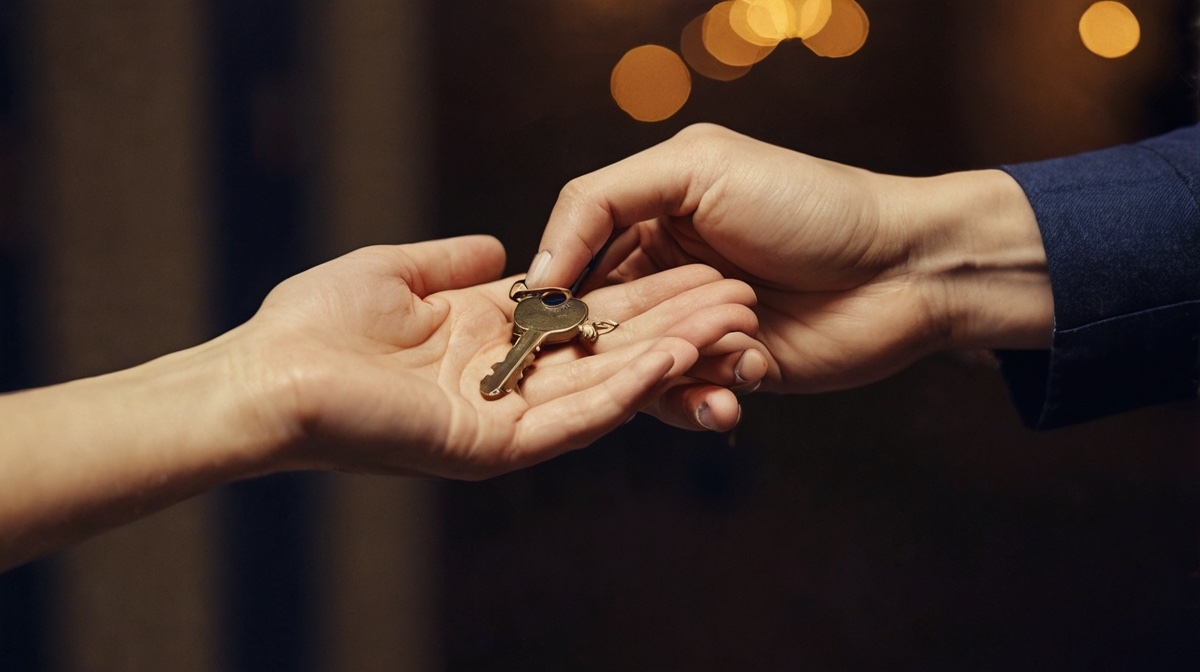
This is the part no fantasy mentions and no responsible keyholder skips. There must always be a way out. That means a backup key the wearer can reach in a real emergency, a medical or fire-drill exception that never counts as cheating, and a plan for when an app fails or a keyholder goes quiet. A device that cannot be removed in an emergency is a genuine risk, not a stricter kink. A good keyholder treats the wearer’s body as their responsibility, not a prop. We cover the practical side in chastity emergency unlock.
How to find a keyholder
If you have the concept and now want the person, that is its own task. People find keyholders through kink-friendly dating and communities, by being clear and specific about what they are looking for, and by vetting anyone who rushes or pressures them. Start with how to find a keyholder and our safety guide on vetting an online keyholder. When you are ready to actually look, the personals board and the forum are where people here are searching right now.
Questions people ask
What does a keyholder do?
A keyholder decides when the wearer's chastity device comes off, sets and enforces the agreed rules, keeps communication open, and holds the emergency plan. The role is as light or as strict as the two people agree, and there is a fuller breakdown in our guide on what a keyholder does.
Is a keyholder the same as a dominant?
Not exactly. Keyholding is one specific kind of control, so most keyholders are the dominant partner, but a keyholder can also be a caring partner in a mostly equal relationship. The title describes who holds the key, not how strict they are.
Can you have an online keyholder?
Yes. Online or long-distance keyholding is common: the wearer sends lock-up proof, and control is handled through messages or a keyholding app that manages a timer or a code. It works on trust and clear rules rather than physical possession of a key.
Take it past the reading
Guides give you the shape of it. People give you the rest. Find others who are open about keyholding and looking for the same arrangement.
Find a keyholder →