Chastity Key Jewelry, Rituals and Symbols: Meaning Around the Lock
Chastity key jewelry is the working key, or a symbolic stand-in, worn openly as a necklace, bracelet or anklet by the keyholder. Together with locking ceremonies, vows and quiet anniversaries, it forms the ritual layer that turns a private agreement into something both people can see and feel daily.
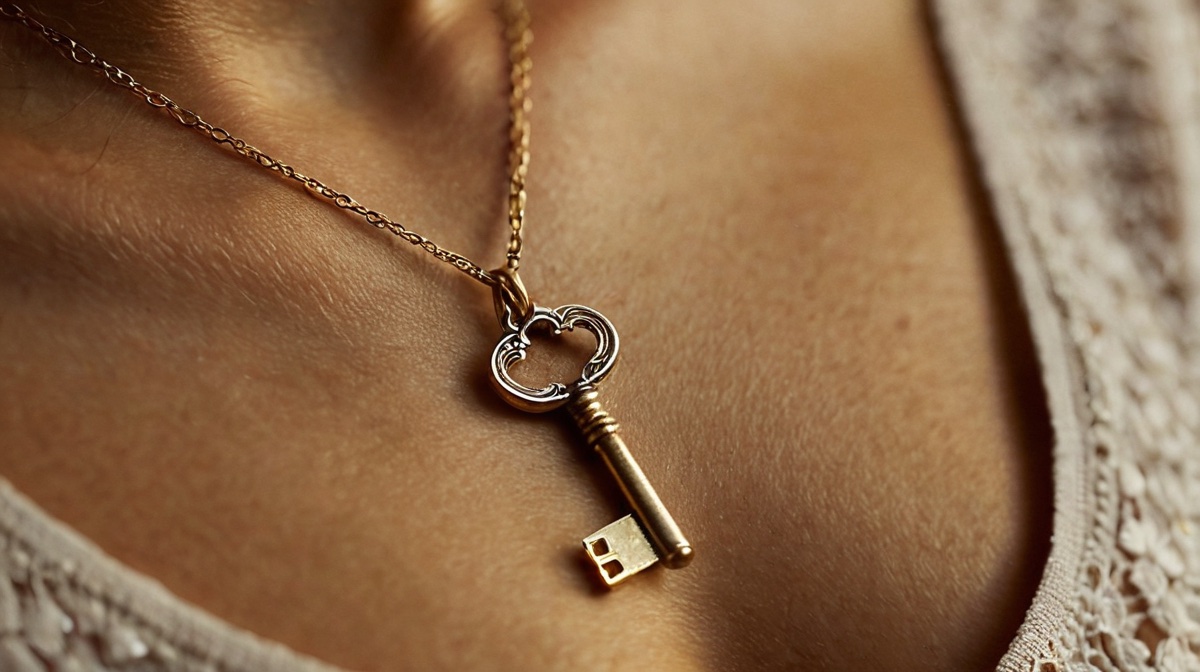
Chastity key jewelry is where a private dynamic becomes something you can see. The key hangs at the keyholder’s collarbone, or on a bracelet or anklet, and to the rest of the world it’s just jewelry. To the two of you it’s the whole arrangement held in one small object. That’s the heart of keyholding’s ritual layer: symbols, ceremonies and anniversaries that don’t change what’s agreed but change how it feels to live inside it. If the roles themselves are still new, what is a keyholder covers the ground floor. This guide is about the meaning built on top.
The key as jewelry
The classic form is the necklace. The key sits in view all day, at dinner, on video calls, across a room, and every glance the wearer steals at it does quiet work. Bracelets and anklets carry the same charge at a lower volume. Some keyholders wear the actual working key. Others wear a decorative key and keep the functional one safely at home, holding onto the symbolism without the worry of losing the real thing on a beach or down a drain.
There’s a small private theatre available here too. A keyholder touching the key mid-conversation, or lifting it thoughtfully while deciding something, says a full sentence without a word spoken. Couples develop these gestures without ever planning to. They become one of the quiet pleasures of the whole arrangement.
Ceremonies for locking and unlocking
A lock-up that begins with a small ceremony feels different from one that begins in a hurry between errands. It doesn’t need candles or a script, though some couples enjoy both. It can be as simple as doing it deliberately: a moment of eye contact, a sentence each about what this stretch is for, the click given its own beat of silence. The end deserves the same care. An unlocking ceremony marks that something was carried and completed, maybe with a few words, maybe with a meal afterwards, and it stops a meaningful stretch from ending as admin.
Ceremonies do their best work at the far ends of long arrangements. Anyone locked for months will tell you the moments that hold the experience together are the marked ones, and long-term chastity: what to expect shows where those markers tend to fall.
Vows, anniversaries and the calendar
Some couples write short vows, a few private sentences about care and trust, renewed once a year. Others keep a lockiversary: the date of the first lock-up, marked with dinner or a gift, exactly like any other anniversary that matters. The calendar offers ready-made rituals too. October has become a shared season for much of the community, and what is Locktober explains how a month on the calendar grew into a tradition couples look forward to all year.
None of this requires believing in ceremony for its own sake. Repetition with attention is simply how people make things feel real, which is why birthdays exist. The dynamic gets the same treatment as anything else two people consider precious.
Discreet symbols in public
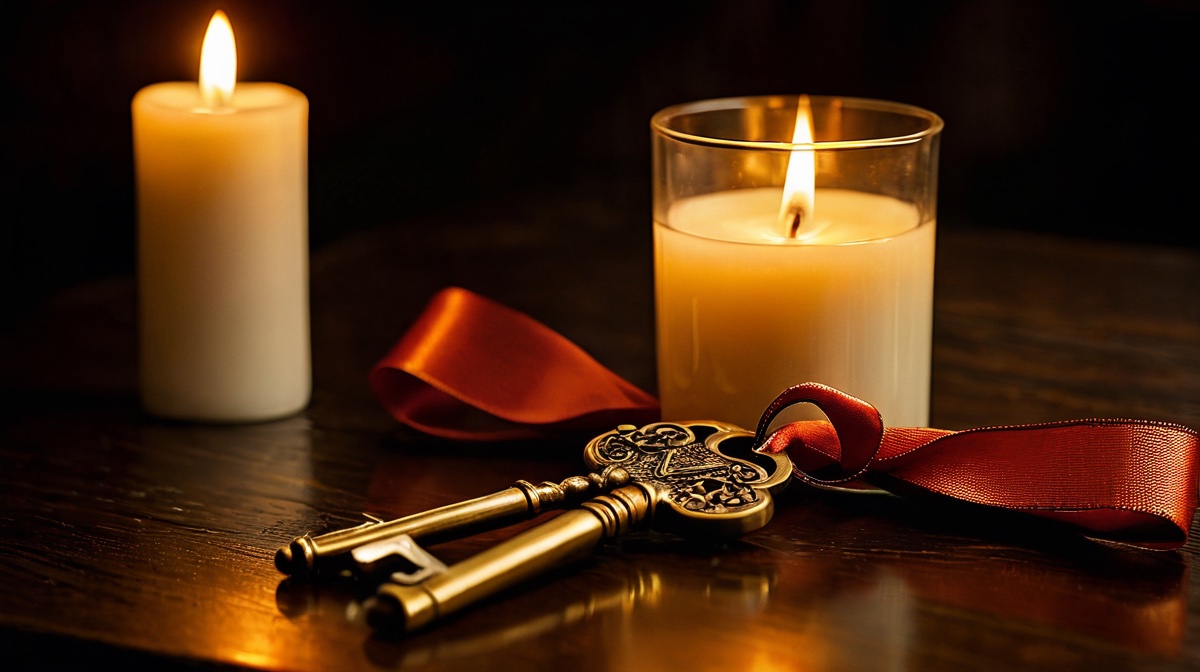
Not every symbol announces itself. A small padlock charm on a bracelet reads as fashion. A particular ring on a particular finger means something to two people and nothing to anyone else. Matching bands, a specific bracelet worn only on certain days, a coded phrase in a text: the vocabulary is endless precisely because outsiders can’t read it. Discretion here is part of the pleasure rather than a compromise. Sitting in a work meeting wearing a symbol nobody can decode is its own quiet thrill for many wearers and keyholders alike.
Symbols like these also travel well into power exchange beyond the lock itself. In female-led relationships the key often joins a wider set of tokens, and chastity and FLR looks at how the two structures reinforce each other.
Why ritual deepens the dynamic
An agreement lives in conversation, and conversation fades. A ritual lives in the body and the calendar, which don’t. The key at the collarbone, the deliberate click, the anniversary dinner: each one restates the arrangement without anyone having to raise the subject. Over months, that steady restating is often what separates a dynamic that quietly evaporates from one that becomes part of how a couple understands itself. Start with one symbol or one small ceremony rather than a whole liturgy. Add more only when the first has settled into habit.
Questions people ask
What is chastity key jewelry?
It's the key to the wearer's lock, or a decorative stand-in for it, worn by the keyholder as a necklace, bracelet, anklet or charm. To anyone else it reads as ordinary jewelry. To the couple it's a constant, wearable reminder of who holds what, which is exactly the point.
Do keyholders wear the real key or a copy?
Both approaches are common. Some wear the working key so the symbol and the function are the same object. Others wear a purely decorative key and keep the working one somewhere safe, which removes the worry of losing it in daily life. The meaning carries either way.
What happens at an unlocking ceremony?
Whatever the couple decides. Common shapes include a few words about what the stretch meant, the keyholder unlocking with some deliberateness rather than in a rush, and a shared meal or quiet evening afterwards. The point is to mark the moment so a meaningful stretch doesn't end as admin.
Take it past the reading
Guides give you the shape of it. People give you the rest. Find others who are open about keyholding and looking for the same arrangement.
Find a keyholder →